The Blake Stitch vs Goodyear Welt
In the world of footwear, the construction method of a shoe is a fundamental aspect that influences its overall characteristics, including flexibility, durability, water resistance, and ease of repair. Two methods that frequently come up in discussions among enthusiasts and makers are the Blake stitch and the Goodyear welt. Both have distinct histories and techniques, and each brings a unique set of attributes to the finished product. Understanding these differences can provide valuable insight into why certain brands prefer one method over the other.
This article aims to provide a neutral, informational overview of these two construction methods. It will explain the processes involved, compare their advantages and limitations, and discuss the factors that might lead a brand to choose one over the other. By the end, readers should have a clearer understanding of the technical and practical considerations that go into selecting a shoe construction method.
Understanding Shoe Construction Methods
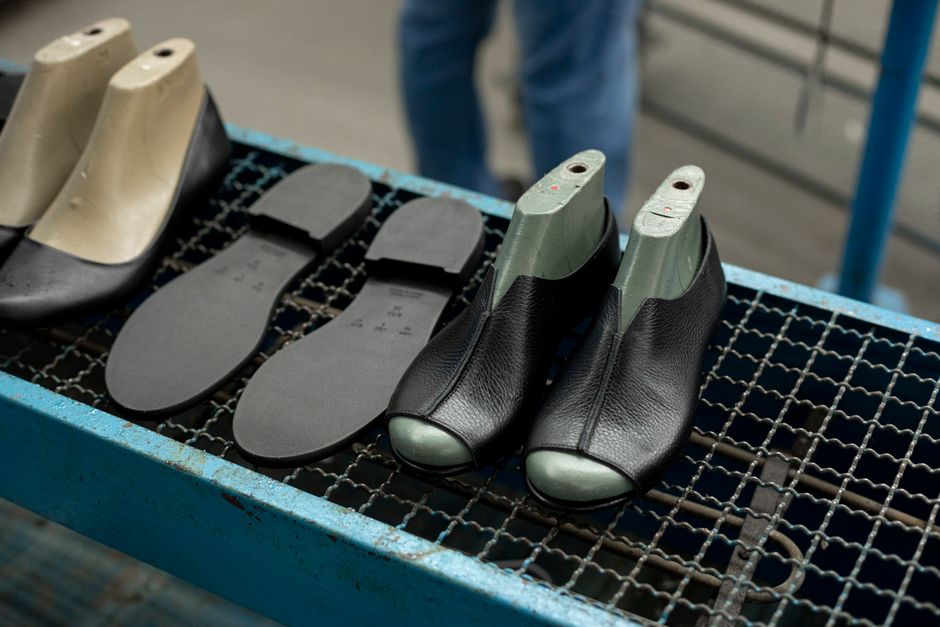
Shoe construction methods refer to the techniques used to attach the upper part of the shoe to the sole. The choice of method affects not only the manufacturing process but also the performance and longevity of the shoe. Different methods have evolved over time to meet various needs, from lightweight flexibility to robust repairability. The Blake stitch and Goodyear welt are two prominent methods that have stood the test of time, each with a dedicated following.
The Blake stitch, originating in the 19th century, is named after its inventor, Lyman Blake. It involves sewing the upper directly to the sole using a single stitch, often through a machine. This method is known for its simplicity and the sleek profile it creates. On the other hand, the Goodyear welt, named after Charles Goodyear Jr., involves a more complex process where a strip of leather (the welt) is sewn to the upper and insole, and then the sole is stitched to the welt. This creates a durable and water-resistant bond that allows for easier resoling.
Both methods have their place in the shoemaking world, and the choice between them often depends on the desired characteristics of the final product. Factors such as flexibility, cost, repairability, and aesthetics all come into play. By examining each method in detail, one can appreciate the trade-offs involved and understand why a brand might favour one over the other.
The Blake Stitch: Process and Characteristics
The Blake stitch construction is a method where the upper is stitched directly to the sole, typically using a Blake stitching machine. This machine sews through the insole, upper, and outsole in one continuous stitch. The result is a shoe with a clean, streamlined appearance, as there is no external welt. The stitch is usually visible on the inside of the shoe, and sometimes on the bottom of the sole, depending on the design.
One of the primary advantages of the Blake stitch is its flexibility. Because the sole is directly attached to the upper, the shoe tends to be more flexible and lighter than those made with other methods. This makes Blake-stitched shoes particularly comfortable for walking and suitable for dress shoes that require a sleek silhouette. Additionally, the manufacturing process is relatively straightforward and can be more cost-effective, as it requires fewer steps and materials compared to the Goodyear welt.
However, the Blake stitch has some limitations. The direct stitching can create a pathway for water to seep into the shoe, reducing water resistance. Also, because the sole is stitched directly to the upper, resoling can be more challenging. When the sole wears out, it must be replaced by cutting the stitches and re-stitching, which can be done but may not be as clean as with a welted shoe. Furthermore, the Blake stitch may not provide the same level of durability as the Goodyear welt, especially in the long term, as the stitching can wear out or the sole may separate more easily.
Despite these drawbacks, the Blake stitch is favoured by brands that prioritise flexibility, lightweight construction, and a sleek appearance. It is often used in high-end Italian dress shoes, where elegance and comfort are paramount. The method allows for a refined look without the bulk of a welt, making it a popular choice for formal footwear.
The Goodyear Welt: Process and Characteristics
The Goodyear welt is a more complex construction method that involves several steps. First, the upper is stretched over a last and temporarily tacked to the insole. A strip of leather, called the welt, is then sewn to the upper and insole using a Goodyear welt sewing machine. This creates a rib to which the outsole is later stitched. The cavity between the insole and outsole is often filled with cork or other material to provide insulation and support. Finally, the outsole is stitched to the welt, completing the construction.
This method offers several notable advantages. The most significant is its repairability: because the outsole is stitched to the welt, it can be removed and replaced multiple times without damaging the upper. This extends the life of the shoe considerably. Additionally, the welt creates a barrier that improves water resistance, as the stitching does not go directly through to the inside of the shoe. The cork filling also molds to the wearer’s foot over time, providing a custom fit and additional comfort.
However, the Goodyear welt is not without its drawbacks. The construction is more labour-intensive and requires specialised machinery, making it more expensive to produce. The resulting shoe is often heavier and less flexible than a Blake-stitched shoe, which may not appeal to those seeking a lightweight option. The welt also adds a slight bulk to the shoe’s profile, which may be less desirable for sleek dress shoes. Furthermore, the break-in period can be longer due to the stiffer construction.
Brands that prioritise durability, repairability, and water resistance often choose the Goodyear welt. It is particularly common in rugged footwear like boots and heavy-duty shoes, where longevity is key. English shoemakers, for instance, have a long tradition of using Goodyear welting for their benchmade shoes, valuing the method’s robustness and the ease with which the shoes can be resoled.
Comparing Blake Stitch and Goodyear Welt
When comparing the Blake stitch and Goodyear welt, several factors come into play, each influencing the suitability of the method for different types of footwear. Understanding these differences can help consumers and makers alike make informed decisions.
- Flexibility: Blake-stitched shoes are generally more flexible because the sole is directly attached to the upper, allowing for greater freedom of movement. Goodyear welted shoes are stiffer due to the welt and cork filling, though they may become more comfortable as they mold to the foot.
- Durability: Goodyear welted shoes are often considered more durable due to the robust stitching and the ability to replace the sole multiple times. Blake-stitched shoes may wear out faster, especially if the stitching is exposed to abrasion.
- Water Resistance: The Goodyear welt provides better water resistance because the stitching does not create a direct path through the sole. Blake-stitched shoes are more susceptible to water ingress, particularly if the stitch is on the bottom.
- Repairability: Both methods allow for resoling, but Goodyear welted shoes are easier to resole because the outsole is stitched to the welt, which can be replaced without affecting the upper. Blake-stitched shoes require more careful handling during resoling, and the process may be less straightforward.
- Aesthetics: Blake-stitched shoes have a sleeker, more streamlined appearance, making them ideal for dress shoes. Goodyear welted shoes have a slightly bulkier profile due to the welt, but this is often seen as a mark of quality in certain styles.
- Cost: Blake stitch construction is generally less expensive to produce due to fewer steps and materials. Goodyear welt is more costly due to the labour and specialised components involved.
These factors highlight that neither method is inherently superior; rather, they serve different purposes. The choice depends on the intended use of the shoe and the priorities of the maker or wearer. For instance, a brand specialising in lightweight, elegant dress shoes might opt for Blake stitch, while a brand focusing on rugged, long-lasting boots might prefer Goodyear welt.
It’s also worth noting that there are variations and hybrid methods, such as the Blake Rapid stitch, which combines elements of both to offer a balance between the two. However, the classic Blake and Goodyear methods remain the most discussed and compared.
Why Brands Choose One Over the Other
The decision to use Blake stitch or Goodyear welt is often driven by a brand’s philosophy, target market, and the specific requirements of their product line. Brands that value tradition and craftsmanship may lean towards Goodyear welt, as it is a time-honoured method associated with high-quality, durable footwear. English brands like Crockett & Jones and Tricker’s are known for their Goodyear welted shoes, which are prized for their longevity and repairability. These brands cater to customers who appreciate classic styles and are willing to invest in shoes that can be maintained over many years.
On the other hand, brands that prioritise modern aesthetics, flexibility, and lightweight comfort may choose Blake stitch. Italian brands such as Santoni and some lines from Gucci have utilised Blake stitching to create sleek, refined dress shoes that are comfortable from the first wear. These brands often target fashion-conscious consumers who value style and immediate comfort over the potential for multiple resoles.
Additionally, the choice can be influenced by production capabilities and cost considerations. Smaller workshops might find Blake stitching more accessible due to the lower equipment costs, while larger factories may have the machinery for Goodyear welting. The brand’s positioning in the market also matters: a luxury brand might emphasise the handcrafted nature of Goodyear welting, while a mid-range brand might highlight the value and flexibility of Blake stitching.
It’s important to recognise that these are general trends, and many brands offer both constructions across different models. The key is that each method aligns with the brand’s overall vision and the needs of its customers. By understanding the strengths and weaknesses of each method, consumers can better appreciate the reasoning behind a brand’s choice and make more informed purchasing decisions.
Conclusion
The Blake stitch and Goodyear welt are two distinct shoe construction methods, each with a unique set of characteristics that appeal to different preferences and purposes. The Blake stitch offers flexibility, a sleek profile, and cost-effectiveness, making it ideal for lightweight dress shoes. The Goodyear welt provides durability, water resistance, and superior repairability, making it a favourite for rugged footwear and those seeking long-term value.
Neither method is inherently better; the choice depends on the specific needs of the wearer and the design goals of the brand. By understanding the processes and trade-offs involved, one can appreciate the craftsmanship behind each method and the reasons why certain brands prefer one over the other. Whether you prioritise style, comfort, or longevity, there is a construction method that suits your needs.