# History
The Ancient Origins of Footwear
This article examines the earliest known shoes from prehistoric times and how…
Read
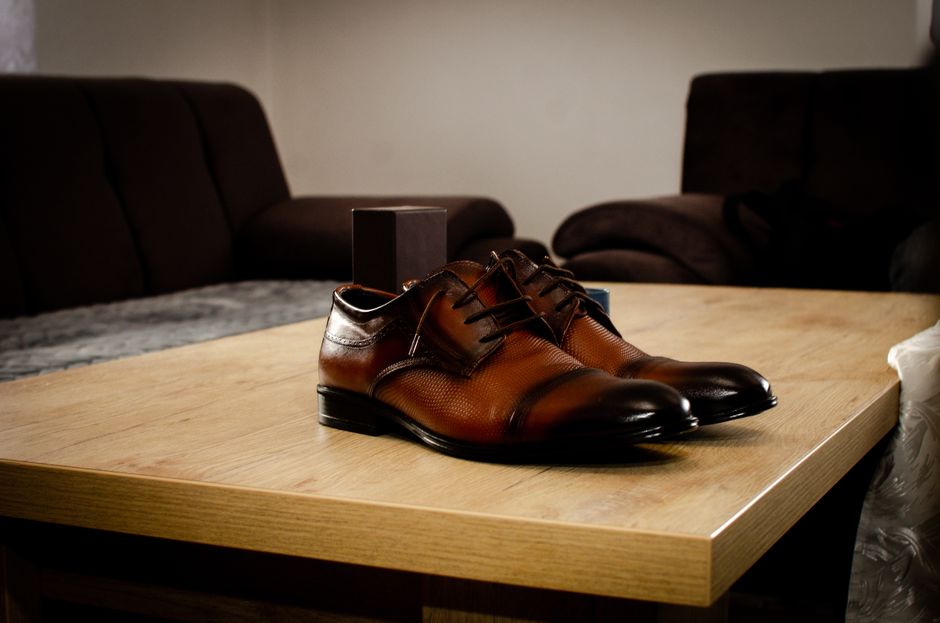
The evolution of shoe design reflects a long interplay of materials, construction methods, and stylistic shifts. Early forms relied on simple wrappings and stitched hides, shaped by locally available resources. Over centuries, changes in tanning, lasting techniques, and the introduction of new soles influenced how footwear was built. Stylistic approaches moved between function‑driven patterns and ornamental details, often shaped by social customs of the period. From hand‑crafted pieces to mechanised production, each stage arose from specific material constraints and cultural contexts. Modern footwear emerges from this layered history rather than from a single direction, with influences accumulating gradually across different regions and traditions.
The history of shoe design is a fascinating journey that mirrors human ingenuity and cultural shifts. From the simple yet effective sandals of ancient Egypt, crafted from woven papyrus and palm leaves, to the elaborate turned shoes of the medieval period, footwear has always served both practical and symbolic purposes. The Industrial Revolution marked a turning point, introducing mechanised production and new materials like rubber, which revolutionised the design and durability of shoes. By the 20th century, the rise of athletic footwear and celebrity endorsements transformed shoes from mere functional items into fashion statements, influencing design trends that continue to evolve today.
The materials and construction techniques used in shoemaking have undergone significant transformation over centuries. Traditional methods, such as welted construction, relied on leather and hand-stitching to create sturdy, repairable shoes. The discovery of vulcanisation in the 19th century paved the way for rubber soles, enhancing comfort and traction. In the 20th century, synthetic polymers like polyurethane and EVA foam offered lightweight cushioning and flexibility, while advanced knitting technologies enabled seamless uppers. Today, sustainable materials such as recycled plastics and bio-based leathers are shaping the future of shoe design, reflecting a growing emphasis on environmental responsibility.
Modern shoe design is characterised by a fusion of technology, ergonomics, and aesthetics. The introduction of 3D printing has allowed for customised fit and rapid prototyping, while smart shoes with embedded sensors track performance and provide feedback. Biomechanical research has led to designs that reduce injury and improve efficiency, particularly in sports footwear. As we look ahead, the integration of smart materials and sustainable practices will undoubtedly continue to redefine what shoes can be, blending style, function, and sustainability in ways that honour the rich history of footwear design.