Leather tanning is an ancient craft that has evolved significantly over millennia, shaping the durability, appearance, and functionality of leather goods, particularly shoes. From prehistoric methods using natural materials to contemporary chemical processes, tanning transforms raw animal hides into stable, pliable leather. This article explores the historical development of tanning techniques, compares traditional and modern approaches, and examines how these methods influence the characteristics of leather footwear.
The process of tanning involves treating hides to prevent decomposition and enhance their physical properties. Different cultures have contributed unique methods, each leaving a distinct imprint on the final product. Understanding these techniques provides insight into why some leathers age gracefully while others may deteriorate, and how the choice of tanning affects the comfort and longevity of shoes.
In the United Kingdom, where leather craftsmanship has a rich heritage, both traditional and modern tanning methods coexist. This article aims to provide a comprehensive overview, highlighting the scientific principles and practical considerations behind each technique.
Historical Evolution of Leather Tanning
The earliest forms of tanning date back to prehistoric times, when humans discovered that treating hides with smoke, fat, or plant materials could preserve them. Ancient civilizations, including the Egyptians, Greeks, and Romans, developed more sophisticated methods. The Romans, for instance, used alum and vegetable tannins to produce leather for sandals and armour. These early techniques were labour-intensive and relied on locally available resources.
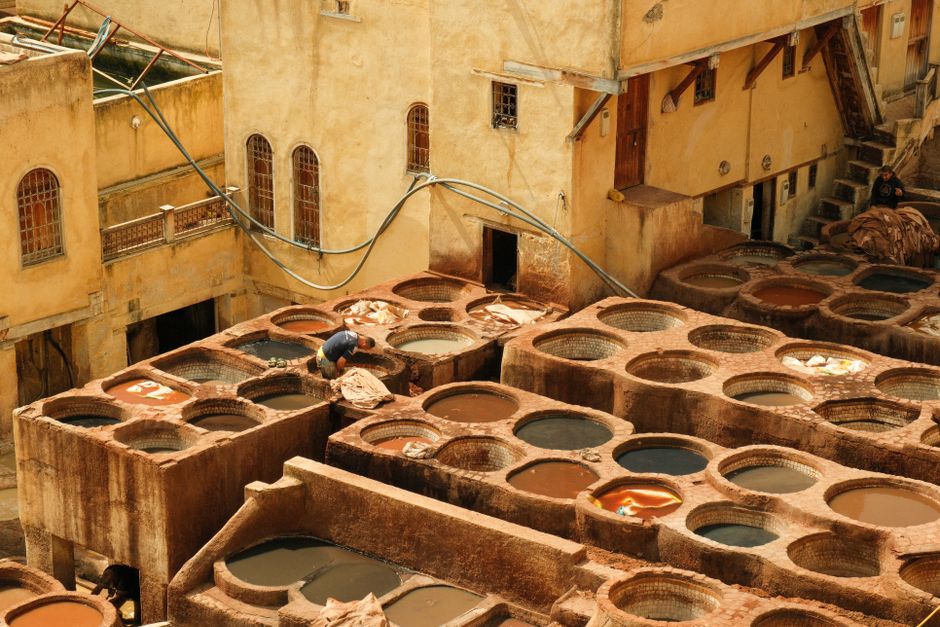
During the Middle Ages, tanning became a specialised trade, with tanneries often located on the outskirts of towns due to the strong odours. Vegetable tanning, using tree bark such as oak and chestnut, was predominant. This method produced sturdy leather that was ideal for shoes, belts, and saddles. The process took weeks or months, as hides were soaked in tannin solutions to gradually stabilise the collagen fibres.
The Industrial Revolution brought mechanisation and new chemicals, leading to faster production. However, traditional vegetable tanning remained valued for its unique aesthetic and durability. In the UK, leather from famous tanneries like those in Northampton became synonymous with high-quality footwear, a reputation that persists today.
Traditional Tanning Methods
Traditional tanning encompasses several techniques that use natural substances to transform hides. Vegetable tanning, the oldest method, utilises tannins extracted from plant sources. These tannins bind to the collagen proteins in the hide, creating a stable material that resists decay. The process is slow, often taking several months, but yields leather that develops a rich patina over time. This leather is commonly used in high-end shoes, where appearance and longevity are paramount.
Another traditional method is brain tanning, historically used by indigenous peoples. In this technique, animal brains are mixed with water to create an emulsion that is worked into the hide. The resulting leather is soft and breathable, although it requires careful maintenance. Similarly, smoke tanning involves exposing hides to smoke from smouldering wood, which imparts colour and antimicrobial properties.
These traditional methods are labour-intensive and require skilled craftsmanship. They are still practised today, often by artisans committed to preserving heritage techniques. The leather produced is typically more breathable and conforms to the foot over time, but it may require more frequent conditioning to maintain its appearance.
Modern Tanning Techniques
Modern tanning primarily relies on chemical agents, with chrome tanning being the most widespread. Developed in the late 19th century, chrome tanning uses chromium salts to tan hides quickly, often within a day. This method accounts for approximately 85% of global leather production. The resulting leather is soft, water-resistant, and consistent in quality, making it suitable for mass-produced footwear.
Chrome tanning involves several stages: pretanning, tanning, and retanning, each tailored to achieve specific properties. The process allows for precise control over thickness, colour, and flexibility. However, environmental concerns regarding chromium waste have led to stricter regulations and the development of alternative methods. In the UK, tanneries must comply with stringent environmental standards, driving innovation in sustainable practices.
Other modern methods include aldehyde tanning, which uses glutaraldehyde or oxazolidine, and synthetic tanning agents. These alternatives aim to reduce environmental impact while maintaining performance. The choice of tanning method affects the leather’s characteristics, such as softness, durability, and resistance to water and heat.
Impact on Shoe Durability and Appearance
The tanning method significantly influences how a shoe wears over time. Vegetable-tanned leather is known for its durability and ability to mould to the wearer’s foot, but it may discolour or darken with exposure to light and moisture. This type of leather is often found in premium shoes, where the natural aging process is considered desirable. However, it may require more care to maintain its appearance.
Chrome-tanned leather, on the other hand, offers greater resistance to water and stains, making it practical for everyday shoes. It tends to be softer and more uniform, but may not develop the same characterful patina. The durability of chrome-tanned leather is generally high, though it can crack if not properly maintained.
Other factors, such as the quality of the hide, the finishing treatments, and the construction of the shoe, also play a role. The tanning process sets the foundation, but the final durability and appearance depend on a combination of elements. For instance, a shoe made from vegetable-tanned leather with a Goodyear welt construction may last for decades with proper care, while a cemented shoe made from lower-quality chrome-tanned leather may have a shorter lifespan.
In terms of appearance, traditional tanning often yields leather with a natural, unique look that ages gracefully. Modern tanning can produce a wide range of finishes, from glossy to matte, catering to diverse fashion preferences. The choice between traditional and modern tanning ultimately depends on the intended use and desired characteristics of the shoe.
“The tanning process is not merely a chemical treatment; it is the foundation upon which the character and longevity of leather footwear are built.”
Environmental and Ethical Considerations
The environmental impact of tanning has become a significant concern. Traditional vegetable tanning uses renewable resources but requires large amounts of water and time. Modern chrome tanning generates hazardous waste, including chromium-laden sludge, which must be managed carefully. In response, the industry has seen a shift towards more sustainable practices, such as recycling tannery waste and using eco-friendly chemicals.
Ethical considerations also arise regarding the sourcing of hides and the treatment of workers. Consumers are increasingly interested in the provenance of their leather goods, prompting brands to adopt transparent supply chains. In the UK, organisations like the Leather Working Group promote responsible environmental practices among tanneries. These efforts aim to balance quality, tradition, and sustainability.
When choosing leather shoes, understanding the tanning method can inform purchasing decisions. While no method is universally superior, awareness of the trade-offs allows consumers to select footwear that aligns with their values and needs. The historical and modern techniques each have their place, and ongoing innovation continues to shape the future of leather tanning.