Eleanor R.
Working with their team clarified how material choices influence historical footwear design. Their methodical approach to research and transparent documentation made the process highly informative.
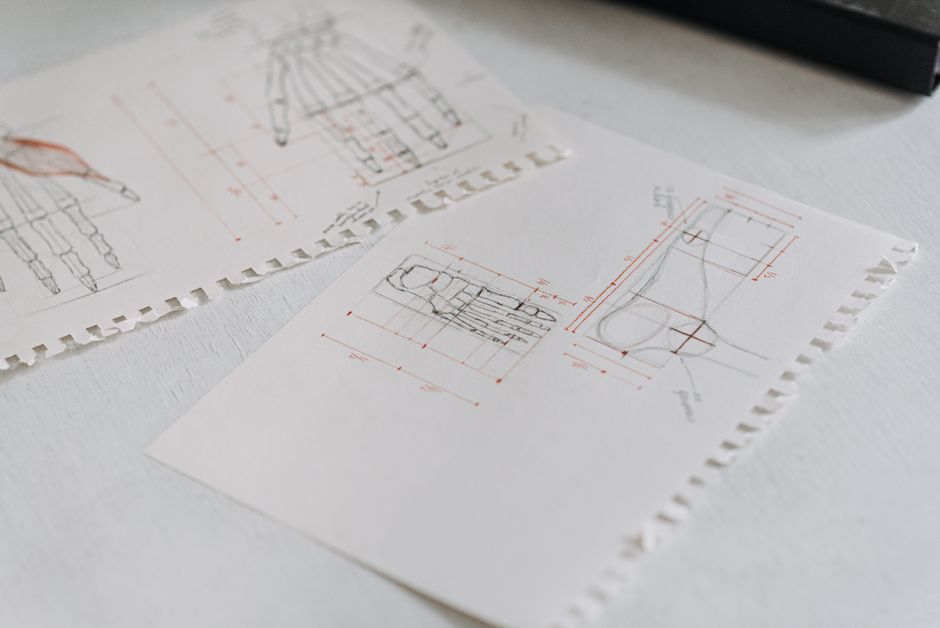
The team operates at the intersection of footwear design, materials science, and historical research. Footwear design addresses functional and formal construction. Materials science examines composition, durability, and behaviour over time. Historical research traces stylistic and technological change through documented evidence. These disciplines inform a structured, research-based approach to studying shoe artifacts and their contexts, emphasising documentation, comparative analysis, and transparent methodology. This framework relies on multiple external sources and constraints, so interpretations remain contextual rather than definitive.
Working with their team clarified how material choices influence historical footwear design. Their methodical approach to research and transparent documentation made the process highly informative.
Their deep knowledge of footwear construction helped us navigate complex design decisions. Discussions were always grounded in evidence supplied by material science and past practices.
The team’s systematic methodology provided valuable insights into our archival project. Their focus on context and transparent reasoning supported our independent analysis.
Reviewing footwear design parameters where historical context and material functions may depend on overlapping factors.
Examining physical and archival references to assess construction variables and inconsistent technical service terms.
Developing possible forms based strictly on analytical findings and feasibility constraints underlined in preceding steps.
Aligning the study with relative decorative phases where collective origin traditions might influence applications.
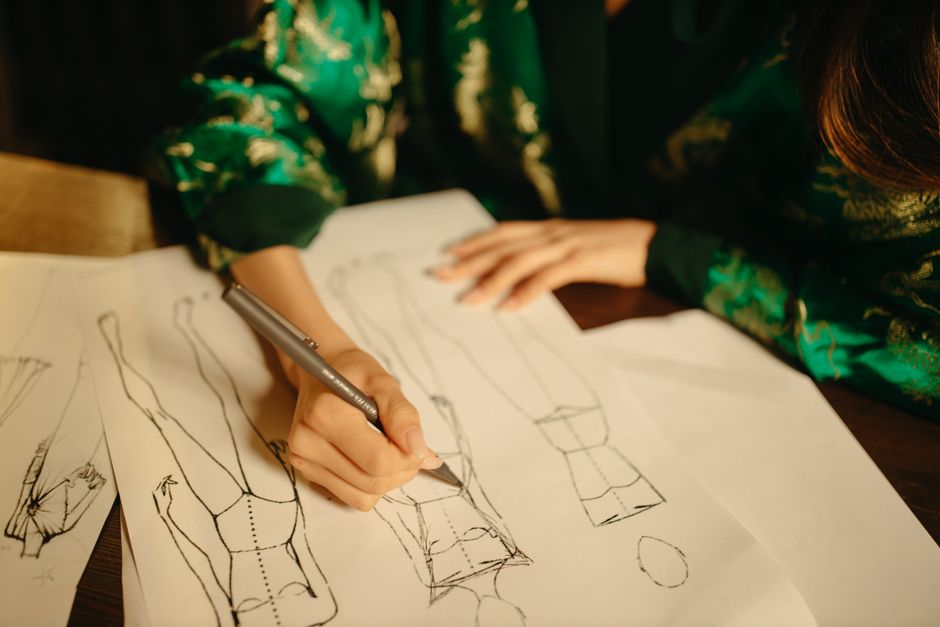
Our team draws on long-standing backgrounds in footwear design, materials science, and historical research. These disciplines intersect through a shared approach: examining construction methods, material properties, and archival records as complementary sources of information. Project decisions depend on numerous factors, including available evidence, material context, and the specific scope of each question. Rather than proposing fixed conclusions, we document our methods, sources, and reasoning so others can trace how any position was reached. This emphasis on transparency supports a broader understanding of how footwear forms have developed, while acknowledging that interpretations may differ and evolve alongside new findings.